Overhaul of Public Service Loan Forgiveness (PSLF)Program Could Impact Nonprofit Sector Workers
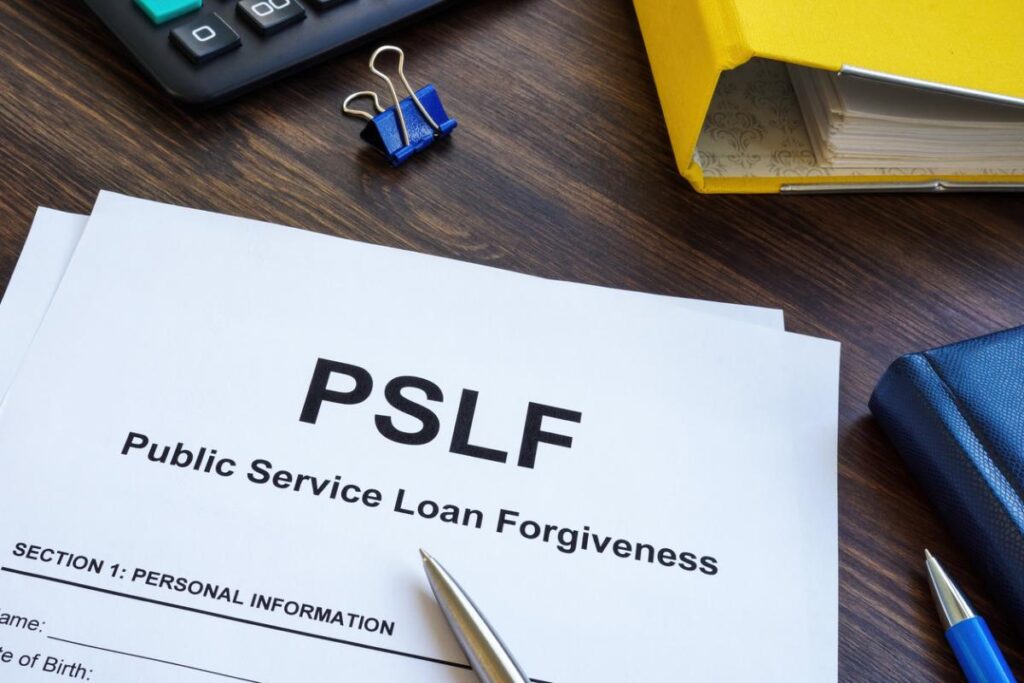
On August 18, 2025, the U.S. Department of Education proposed a new rule that would significantly overhaul the Public Service Loan Forgiveness (PSLF) program. For years, PSLF has been a lifeline for nonprofit professionals—helping them manage student debt while dedicating their careers to serving communities in need. The new changes, however, could narrow the definition of qualifying employers and impose additional restrictions that may exclude certain charitable organizations from the program. If implemented, these revisions could make it harder for nonprofit organizations to recruit and retain skilled talent, potentially impacting service delivery across the country.
Major Changes to PSLF in the Proposed Rule
Eligible Employers
Currently, all 501(c)(3) tax-exempt organization employers automatically qualify for their employees to participate in the PSLF program. Some other nonprofit organizations providing qualifying public services may also qualify, including public health and public education organizations.
Under the proposed rule, an organization’s 501(c)(3) status no longer guarantees that its employees will be eligible for PSLF program participation. More specifically, the Department of Education could exclude tax-exempt organizations from the PSLF program if they engage in any of the following activities with a “substantial illegal purpose:”
- Aiding and abetting violations of federal immigration laws
- Supporting terrorism
- Engaging in the chemical and surgical castration or mutilation of children in violation of federal or state laws
- Engaging in the trafficking of children to states for emancipation from their lawful parents in violation of federal or state law
- Engaging in a pattern of aiding and abetting illegal discrimination
- Engaging in a “pattern of violating state laws” regarding trespassing, disorderly conduct, public nuisance, vandalism, or obstruction of highways
Mission-Based Exclusions
The PSLF program does not currently exclude any organizations from participation based on their missions, if the organization meets the criteria of the Internal Revenue Service (IRS) and the PSLF program.
However, the proposed rule would make organizations with certain missions ineligible for participation in the PSLF program, including those that provide immigration services for undocumented individuals, support transgender youth, or advocate for social and/or racial equality.
Behavior-Based Disqualification
The employees of nonprofit organizations qualify for PSLF program participation, even if the organization engages in unrelated illegal activities, unless the organization loses its 501(c)(3) tax-exempt status.
Under the proposed rule, a “pattern” of violating state laws, which might include trespassing, creating a public nuisance, or obstructing a public highway, could disqualify organizations from participating in PSLF. In other words, common criminal charges for activities related to peaceful protests could trigger PSLF program ineligibility.
Employee Eligibility
Currently, full-time employees of qualifying employers become eligible for the PSLF program after making 120 qualifying payments under an income-driven repayment program.
The newly proposed rule states that employees at an excluded nonprofit organization could not participate in the PSLF program moving forward. Furthermore, any qualifying payments they made while the organization was still eligible for participation may not count toward the required 120 payments.
Appeals Process
At present, if the Department of Education finds an employer ineligible for PSLF participation, the employer can engage in a limited and informal review process.
The proposed rule contains no clear appeal rights for smaller nonprofit organizations. However, to the extent that the Department of Education will implement an appeals process, it is not outlined in the proposed rule.
Implementation Timeline
If the proposed rule is adopted, it could take effect as early as July 1, 2026, unless it is delayed by the Department of Education or blocked in a court challenge.
Frequently Asked Questions (FAQ)
What is the U.S. Department of Education proposing to change about PSLF?
The Department of Education has issued a proposed rule that would significantly narrow which employers qualify for PSLF. While PSLF currently covers most full-time employees of 501(c)(3) tax-exempt organizations and certain public service organizations, the proposal would:
- Redefine “public service” to exclude some legally recognized nonprofit organizations based on their mission or activities.
- Disqualify organizations with a “substantial illegal purpose” or a documented pattern of certain state law violations (e.g., trespassing, obstruction).
- Potentially remove PSLF eligibility for tnonprofit organizations focused on specific advocacy or service areas, such as immigration support, LGBTQ+ youth services, or racial equity initiatives.
How could this affect nonprofit employees and organizations?
If adopted, the rule could:
- Reduce employee eligibility for PSLF, making nonprofit jobs less financially viable and attractive for those with federal student loans.
- Hinder recruitment and retention of employees, especially in lower-paying, high-impact roles like social work, education, and community health.
- Increase salary pressure on nonprofit organizations to compete with private-sector employers, potentially diverting funds from programs to payroll.
- Limit service capacity in communities, particularly in underserved areas that rely heavily on nonprofit programs.
When would these changes take effect if the rule is finalized?
The public comment period for the proposed rule endsSeptember 17, 2025. After reviewing comments, the Department of Education could issue a final rule later in 2025. If adopted without delay, the changes could take effect as early as July 1, 2026, aligning with the start of the federal student loan program year. However, the timeline could shift if there are legal challenges or if the Department makes substantial revisions in response to public feedback.
Protect Your Charitable Organization—Act Now
The laws governing charitable organizations are intricate—and they evolve constantly. Protect your organization by staying informed and compliant with the help of experienced nonprofit counsel. Contact the California Center for Nonprofit Law now at (949) 892-1221, email info@NPOlawyers.com, or connect with us online to get the legal insight your mission deserves.